

Run your tongue along the back of your lower front teeth. Does it feel rough or gritty? Or maybe your teeth are starting to look more yellow, and no matter how well you brush, that bad breath just won’t go away. What you’re dealing with is probably tartar, also called dental calculus, and it’s more than just a cosmetic concern.
Tartar holds on to bacteria that can lead to tooth decay, gum disease, and even affect your overall health. That’s why it’s crucial to understand how to remove tartar from teeth, and more importantly, how to prevent it from forming in the first place.
What is Tartar?
Despite regular brushing and flossing, you still have bacteria in your mouth. They mesh with the by-products of food and form a sticky film called dental plaque.
This plaque coats your teeth, settles under the gum line, and sticks to fillings. And when it accumulates and hardens, it forms tartar. It is important to know how to remove plaque from teeth since it can lead to the formation of tartar.
Tartar coats the tooth surface and invades below the gum line. It feels like a crusty blanket on teeth, and because of its porous nature, food and drinks stain it.
Plaque and tartar can:
- Destroy enamel, leading to teeth sensitivity, cavities, and even tooth loss.
- Causes bad breath due to the buildup of bacteria.
- Lead to gum disease like periodontitis.
- Damage the supporting bone and tissues.
How Does Tartar Affect Gums and Teeth?
Tartar and plaque irritate the gums, causing inflammation and gum disease. The earliest stage of gum disease is known as gingivitis, and it is reversible with proper oral hygiene and professional care.
Common signs of gingivitis include:
- Swollen, red gums
- Gums that bleed when you brush or floss
- Tender (painful) gums
- Persistent bad breath
- Receding gums
If you fail to get professional help, gingivitis progresses to periodontitis, which isn’t reversible. In addition to the inflamed, tender, and bleeding gums, you will notice the following:
- Pain when chewing
- Tooth sensitivity
- Loose teeth
- Pus collecting between the teeth
- Deeper pockets between teeth and gums
And that’s not all – the bacteria that cause periodontitis can leach into the bloodstream, increasing your risk of heart and lung disease. This is why it is very important to get in touch with a professional if you notice any of these signs or symptoms.
How Do I Remove Tartar from My Teeth?
Unfortunately, tartar isn’t something you can remove at home on your own. To get rid of the hardened plaque, one requires professional intervention.
When you visit the dental clinic, the dental professional will assess the health of your teeth, gums, and mouth. If they notice tartar on your teeth, they will recommend professional cleaning.
What to Expect During a Professional Teeth Cleaning?

Professional teeth cleaning is cleaning done at a dental office. A dentist or a dental hygienist carries out the treatment, which plays a huge role in preventing oral diseases from occurring.
In the procedure, a dental professional cleans your teeth using various dental instruments, mainly ultrasonic scalers.
The cleaning removes any plaque, tartar, and surface stains from your teeth. The removal aids in the healing of the gums, preventing any infection, inflammation, or bleeding.
The dental professional cleans not just the tooth surface but also clears out any buildup underneath the gum line to remove any trapped debris or tartar.
After cleaning your teeth, they provide instructions on how to care for your teeth and gums at home to prevent tartar from re-forming. They also prescribe medication to relieve any pain or discomfort you may feel.
Your teeth may feel sensitive for a few days following the teeth cleaning. Use a sensitivity-friendly toothpaste to help.
How To Prevent Tartar from Forming?
As they say, prevention is better than cure. So, instead of wondering about how to remove tartar from teeth, it’s better to practice good oral health and hygiene. Here are some tips you can follow:
Brush Regularly
Brushing regularly, twice a day, for 2 minutes, prevents plaque from settling on the tooth surface. Use a brush with soft bristles and pay attention to the hard-to-reach areas, especially the back teeth and the inner surfaces of teeth.
Use An Electric Toothbrush
Research shows that electronic toothbrushes get rid of plaque better than manual ones. You can use any electric toothbrush, just ensure it has the American Dental Association (ADA) seal of approval since these undergo rigorous safety tests and quality control.
Use Fluoridated Toothpaste
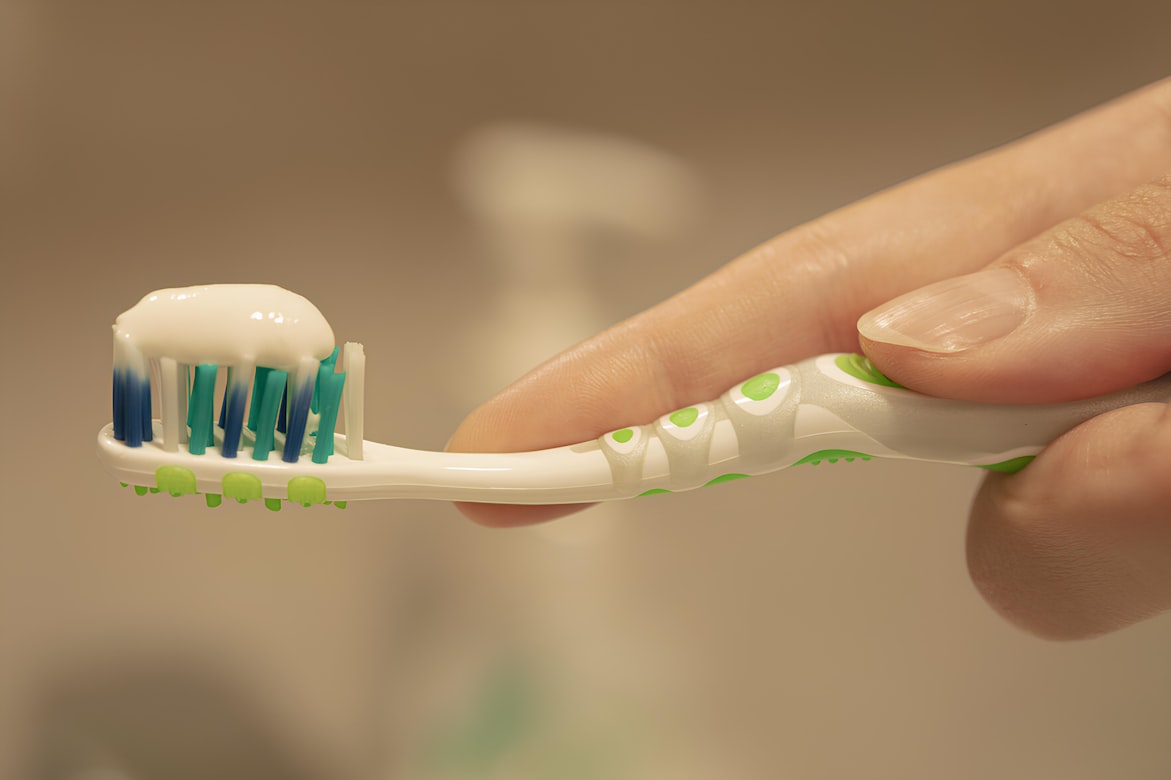
Toothpaste containing fluoride is great for controlling tartar. The fluoride helps repair enamel damage. Some toothpaste has triclosan that fights the bacteria in plaque.
Don’t Forget to Floss
You could be Houdini with a toothbrush. But if you fail to floss, you’re giving plaque and tartar the perfect way in. Flossing removes plaque from between your teeth and keeps it away from these hard-to-reach areas.
Use A Mouthwash
Rinsing daily with an antiseptic mouthwash helps kill plaque-causing bacteria. Choose a mouthwash that contains zinc chloride or pyrophosphate. These ingredients have been shown to help prevent tartar formation by interfering with the plaque’s ability to calcify.
Watch Your Diet
The bacteria in your mouth proliferate on starchy and sugary foods. On exposure to them, the bacteria release harmful acids.
Limit the number of sugary foods you consume and try to eat a healthy diet. You don’t have to give sugar up entirely, simply be mindful of your indulgence.
Drink plenty of water and brush after meals.
Avoid Smoking
Studies show that smokers or people using other tobacco products are more likely to have tartar. This is because tobacco chemicals can reduce saliva flow, which normally helps wash away food particles and bacteria, thereby creates an environment where plaque can harden more easily into tartar.
Visit Your Dentist Regularly
Routine dental visits help maintain oral health and support preventive care, including professional guidance on how to remove tartar from teeth.
How Often Do I Need to Remove Tartar?
The American Dental Association states that dental visits depend on the state of your oral health and the dentist’s recommendation.
At Valley Ridge Dental, we recommend that our patients get a dental check-up and cleaning every 6 months and more frequently if they have or are at risk of gum disease.
People who require teeth cleanings more often are –
- People with dry mouth.
- People who are unable to brush their teeth due to health reasons.
- People who have difficulty understanding or completing a dental hygiene routine.
Conclusion
Knowing how to remove tartar from teeth is essential to maintaining not only your oral health but your overall well-being. While good at-home care helps prevent tartar, once it forms, only your dentist can remove it.
If you’re concerned about tartar or due for a routine dental cleaning, visit us at Valley Ridge Dental. Our team of experienced Lake Elmo dentists is dedicated to providing gentle, expert care in a comfortable setting.
Call us at (651) 439-0322 or fill out this form, and we’ll get in touch to schedule your appointment. You can also visit our clinic at 12425 55th St N STE B, Lake Elmo, MN 55042.
Frequently Asked Questions
- Can baking soda or charcoal toothpaste eliminate tartar?
Mild abrasives like baking soda or charcoal may help polish surface stains, but they cannot remove hardened tartar that is firmly bonded to the enamel.
- Is dental plaque removal painful?
Most patients tolerate ultrasonic scaling quite well. For sensitive areas, topical anesthetic or local anesthesia can be used to ensure comfort.
- How soon can tartar reform after a dental cleaning?
Plaque can begin to re-accumulate within hours after cleaning. Without proper oral hygiene, tartar may start forming again in as little as 10-14 days.