

TL;DR
- Veneers are thin, custom-made shells bonded to the front of teeth
- They improve the appearance of discolored, chipped, or uneven teeth
- Common types include porcelain and composite veneers
- Porcelain veneers are more durable, lasting for 10 to 15 years
- Composite veneers are affordable ones lasting for 5 to 7 years
- Several factors affect the longevity of veneers, such as:
- Material used
- Oral hygiene
- Habits
- Diet
- Dental problems
- The dentist’s skills
- Dental experts recommend the following tips to prolong the lifespan of veneers:
- Brushing and flossing your teeth daily
- Limiting tooth-staining foods
- Avoiding habits like smoking
- Eating healthy foods
- Avoiding sticky or hard foods
- Using a mouthguard while playing sports
- Using a night guard if you grind your teeth
- Visiting the dentist regularly
Veneers and their Lifespan: An Overview
Dental veneers are thin shells made from porcelain or composite resin that cover the front surface of teeth. They are often used to improve the shape, color, and alignment of teeth, giving a natural, attractive smile. Veneers can fix chipped, stained, or uneven teeth, making them a popular cosmetic dental solution for those seeking long-lasting beauty and confidence.
Because veneers are seen as a long-term cosmetic investment, many of our patients at Valley Ridge Dental are often curious about how long they actually last. Their lifespan depends on several factors, including the material used, daily care, and dental habits. This blog explains how long veneers last, what affects their durability, and simple ways to help you keep them in good condition for years.
How Long Do Veneers Last?
Dental veneers generally last between 5 to 15 years, depending on the type of material used and how well they are cared for. There are two main types of veneers used in cosmetic dentistry: porcelain and composite. Here’s how they compare in terms of lifespan:
How Long Do Porcelain Veneers Last?
Porcelain veneers are known for their strength, stain resistance, and natural-looking shine. They are made from high-quality ceramic material that closely mimics tooth enamel.
With proper care, porcelain veneers usually last between 10 to 15 years, and sometimes even longer. Some individuals report having porcelain veneers last over two decades with good dental hygiene and regular dental visits.
Porcelain veneers are resistant to discoloration, which means you can have a bright smile without worrying about frequent stains from tea, coffee, or wine. However, just like natural teeth, they can still chip if exposed to too much pressure or hard objects.
A key advantage is that they do not require constant maintenance or polishing like composite veneers. This makes porcelain veneers a preferred option for those who want long-lasting beauty with minimal effort.
How Long Do Composite Veneers Last?
Composite veneers are made from resin material similar to what is used for dental fillings. They are applied directly to the tooth and shaped during the same dental appointment.
When comparing composite veneers to porcelain ones, the difference lies in durability and longevity. Typically, composite veneers last between 5 to 7 years. They are more affordable and easier to repair, but also more likely to chip, wear down, or stain over time.
Although composite veneers may not last as long, they are excellent choices for patients looking for a quick, budget-friendly smile makeover. With attentive care and good habits, they can stay attractive for many years before needing replacement.
Factors that Affect the Lifespan of Veneers
To know how long veneers last, it is important to know the factors that impact their lifespan. Some of the important factors include the following:
- Material quality: Porcelain tends to last longer than composite resin because it is more resistant to stains and wear.
- Oral hygiene: Good brushing and flossing keep veneers clean and prevent staining. Regular dental checkups help identify problems early.
- Habits: Grinding teeth, nail-biting, or chewing ice and other hard foods can crack or chip veneers over time.
- Diet: Drinks like coffee, tea, and red wine can stain veneers. Eating sugary foods in excess may cause decay near the edges.
- Dental health: Cavities, gum disease, or a poor bite can make veneers loose or uncomfortable. Treating these issues keeps them strong.
- Dentist’s skills: A well-trained dentist will place veneers correctly and make sure they fit naturally.
- Professional care: Regular dental evaluations allow your dentist to adjust or polish veneers when needed, helping them last longer.

Signs Your Veneers May Need Replacement
As time passes, even the best veneers can begin to show signs of wear. Being aware of these changes helps you take action early and keep your smile looking perfect.
Common signs include:
- Gums pulling away from veneers or the appearance of small gaps may indicate that the fit has loosened.
- Increased sensitivity or pain while eating hot or cold foods can suggest damage or decay beneath the veneer.
- Loose veneers that move or feel unstable should be checked by a dentist immediately.
- Changes in how your teeth meet or how you speak can mean the veneers are no longer properly aligned.
- Visible chips, cracks, or signs of wear from teeth grinding or biting hard objects reduce their effectiveness.
- If veneers start looking dull, worn, or unnatural, it may be time to consider replacement.
- Discomfort or irritation around the veneered teeth is another sign that professional evaluation is needed.
Tips to Help Veneers Last Longer
Even though veneers are durable, they need proper care to last their full lifespan. Experts at Valley Ridge Dental recommend the following tips to prolong your veneer durability:
Daily Habits
Simple daily habits make a significant difference in protecting your smile.
- Brush your teeth at least twice daily using a soft toothbrush
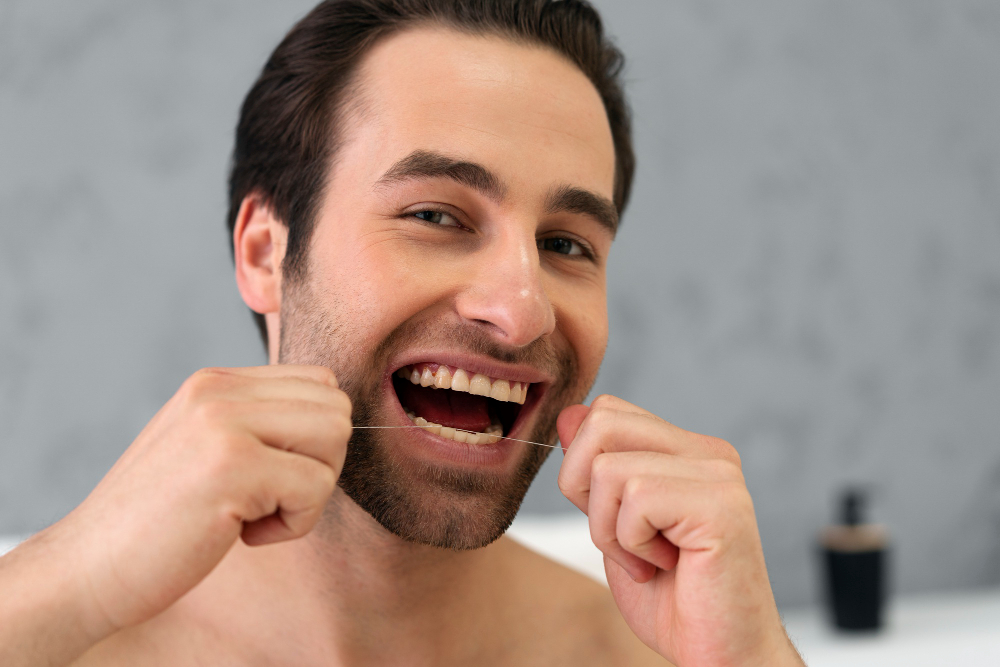
- Floss gently between teeth to prevent gum inflammation
- Avoid using your teeth to open packaging or crack food
- Limit dark-colored drinks like coffee or red wine to prevent surface staining
- Quit smoking to protect both your veneers and overall oral health
Protective Habits
If you participate in sports or occasionally grind your teeth while sleeping, your veneers may face extra pressure. To help prevent damage:
- Wear a mouth guard during sports and physical activities
- Use a night guard to protect against nighttime teeth grinding
- Choose a gentle toothpaste that is low in abrasives
- Avoid very sticky or hard foods that could pull or crack a veneer
Healthy Diet Choices
A balanced diet supports your veneer’s longevity and overall oral health.
Prefer
- Crunchy fruits and vegetables for natural cleaning action
- Drink plenty of water after meals to rinse away food particles
- Lean proteins to strengthen gum tissues
Limit
- Acidic foods like citrus fruits and vinegar
- Sugary snacks and carbonated drinks
- Sticky candies or hard nuts
Professional Maintenance
Regular dental visits play a major role in prolonging the lifespan of your veneers:
- Professional cleaning and polishing every six months removes surface stains from the tooth surfaces without harming the veneers.
- Regular visits can monitor your veneers, and dentists can repair them if they are slightly damaged through re-bonding.
Final Thoughts
Veneers are a reliable cosmetic option that can enhance your smile. Many patients often wonder how long veneers last, and the answer depends on the type of veneer, the quality of materials, and how well they are cared for. With proper oral hygiene, a balanced diet, and regular dental checkups, veneers can remain strong and natural-looking for ten years or more.
At Valley Ridge Dental, we provide exceptional veneer treatments that prioritize comfort, aesthetics, and durability. Our skilled Lake Elmo dentist and team utilize modern technology to deliver precise, high-quality results at an affordable cost. By focusing on personalized care and long-term oral health, we help each patient maintain a confident, radiant smile with veneers that last.
Call us at (651) 439-0322 to book your appointment today, or visit us at 12425 55th St N, Suite B, Lake Elmo, MN 55042.
FAQs
Porcelain veneers typically last between 10 to 15 years, depending on factors like oral hygiene, diet, and veneer quality, with proper care and regular dental checkups extending their lifespan.
Porcelain veneers are resistant to stains, but the bonding material and surrounding teeth can discolor over time. Proper oral hygiene, regular dental cleanings, and avoiding stain-causing foods can help maintain their appearance.
If you notice your veneer chipping, contact your dentist right away. They will assess the damage and determine if it can be smoothed out or if a repair or replacement is necessary.
Composite veneers are generally less durable than porcelain veneers, as they are more prone to staining and wear. However, they are also less expensive and can be repaired more easily.
To maintain veneers, visit your dentist every six months for regular cleanings and checkups. This helps prevent issues and ensures your veneers last longer and stay healthy.