

TL;DR
- Changing toothbrushes regularly is important to remove plaque effectively and prevent bacteria buildup that can harm your teeth and gums
- Factors affecting toothbrush condition include:
- Brushing pressure
- Bristles quality
- Type of toothbrush
- Storage
- Brushing frequency
- Illnesses
- The following signs indicate the toothbrush replacement:
- Frayed or bent bristles
- Discoloration
- Bad odor
- The American Dental Association (ADA) recommends replacing toothbrushes every 3 to 4 months for optimal oral health
- For kids, it is advised to change the toothbrush every 2 to 3 months or more frequently
- Follow the tips below to maintain your toothbrush in good condition:
- Rinse thoroughly after use
- Store toothbrush upright to air dry
- Avoid closed containers
- Never share toothbrushes
Your Guide to Toothbrush Replacement for Good Oral Hygiene
Proper dental care isn’t just about brushing twice daily; it’s also about making sure your toothbrush is clean and effective. Over time, even the best toothbrush wears out, causing its bristles to lose shape and strength. When this happens, it can’t clean your teeth or gums as thoroughly as it should. This increases the risk of plaque buildup, bad breath, and gum problems.
Understanding how often you should replace your toothbrush is an essential part of maintaining good oral hygiene. In this blog, we’ll explore how frequently you should change your toothbrush, what factors influence its lifespan, and practical tips to maintain better oral hygiene.
Why Should You Replace an Old Toothbrush?
Your toothbrush is your first line of defense against plaque, food debris, and bacteria. With regular use, its bristles bend, fray, and lose the ability to reach tight spots between your teeth. This may lead to less effective brushing, leading to potential gum irritation and cavities. Over time, bacteria also accumulate on the bristles, especially if the brush is not stored in a dry place.
Using the same toothbrush for too long can:
- Spread germs back into your mouth
- Contribute to bad breath
- Reduce the fluoride protection from toothpaste
- Increase the risk of gum disease
A fresh and new toothbrush helps ensure proper cleaning and protects your oral health. So, understanding how often you should replace your toothbrush helps you make smart hygiene choices every day.
When Should You Replace Your Toothbrush?
The American Dental Association (ADA) generally recommends changing your toothbrush every 3 to 4 months. However, this time frame is not the same for everyone, since it is influenced by several factors. For kids, it is recommended to change the toothbrush every 2 to 3 months or more frequently.
It is especially important to change your toothbrush after being sick. Bacteria can linger on bristles, reintroducing them into your mouth once you recover. Illness-related reasons to change your brush include:
- After colds, flu, or strep throat
- Following mouth infections or ulcers
Signs You Should Change Your Toothbrush
As per our experts at Valley Ridge Dental, here are some clear signs that show it’s time to get a new toothbrush:
- Frayed or bent bristles that no longer stand straight
- Faded or discolored bristles from toothpaste and normal wear
- Bad smell or taste even after rinsing the brush
- Your teeth feel rough or less clean after brushing
- You have been sick or recently had an infection
- Buildup of residue or debris near the bristles
- The toothbrush is more than 3 to 4 months old
Factors That Affect Toothbrush Lifespan
Several factors influence how long your toothbrush lasts. Knowing them can help you decide how often you should replace your toothbrush for the best oral hygiene results. These include:
- The quality of bristles: Durable, high-quality bristles last longer than soft or cheap ones
- Brushing habits: Brushing too hard or too often wears the bristles faster
- Type of toothbrush: Electric heads may wear out quicker than manual ones
- Storage condition: Moist or closed areas encourage bacterial growth
- Toothpaste abrasiveness: Gritty toothpaste can shorten bristle life
Choosing the Right Type of Toothbrush
Understanding how often you should replace your toothbrush also depends on which type you use: manual or electric. Both have different wear patterns.
Manual Toothbrush
- These are available in different bristle types, like soft, medium, and hard
- Bristles wear faster with rigorous brushing
- Usually need replacement every 3 to 4 months
Electric Toothbrush Heads
- Smaller and more compact than manual brushes
- Worn bristles may appear frayed sooner
- Vibration efficiency may be compromised
- Most brands recommend changing the head every 3 months or sooner for best results
Tips for Maintaining Your Toothbrush
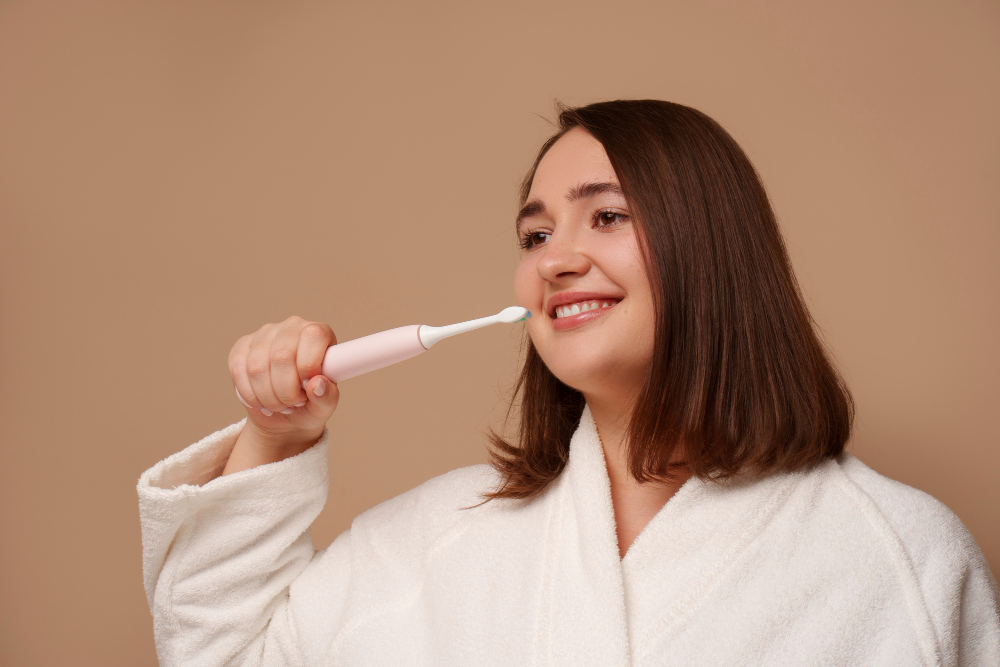
Proper care can help keep your toothbrush cleaner between replacement cycles. Even when you know exactly when you should replace your toothbrush, maintenance is still important. Here are some simple tips:
- Rinse your toothbrush well after every use to remove leftover toothpaste and germs.
- Store your toothbrush upright in a holder so it can air dry and avoid moisture buildup.
- Keep your toothbrush away from the toilet and sink to prevent germs from spreading.
- Avoid covering your toothbrush while it is still wet, as this can cause bacteria to grow.
- Do not share your toothbrush with others to stop the spread of bacteria.
- Clean your toothbrush holder regularly with soap and water to keep it hygienic.
- When traveling, use a ventilated case and let your toothbrush dry before storing. Replace the brush when returning home, especially after long trips.
- You can invest in good toothbrush sanitizers or UV cleaning devices to keep your toothbrushes clean and germ-free.

Did you know?
There are many eco-friendly toothbrush options available, which make frequent replacement more sustainable. You can choose biodegradable or bamboo toothbrushes that reduce plastic waste. There are also toothbrush recycling programs where old brushes can be upcycled rather than thrown away.
The Bottom Line
Regularly replacing your toothbrush is essential for maintaining strong teeth and healthy gums. Knowing how often you should replace your toothbrush helps prevent plaque buildup and bacterial growth. Over time, frayed or worn bristles lose their effectiveness, making it harder to clean your teeth properly.
Whether you use a manual or electric toothbrush, always check for wear and follow recommended guidelines. Pairing these replacements with consistent brushing and flossing ensures your mouth stays fresh, clean, and protected from oral issues.
At Valley Ridge Dental, we take pride in being a trusted dental office where your comfort and care are our top priority. Our skilled team uses the latest technology and shares expert tips for better oral hygiene. As your local dentist in Lake Elmo, MN, we combine friendly staff with modern care to keep your smile bright and healthy. To book your appointment, visit us at 12425 55th St N, Suite B, Lake Elmo, MN 55042, or call us at (651) 439-0322.
FAQs
No. It is always recommended to replace your toothbrush every 3 to 4 months, or sooner if the bristles are frayed. Even if it looks fine, bacteria can accumulate, compromising oral hygiene and health.
You can tell your toothbrush is worn out if the bristles look frayed, bent, or discolored. These are signs that it’s no longer cleaning your teeth effectively. When this happens, it’s best to replace it to maintain proper oral hygiene and prevent bacterial buildup.
Yes, using a worn-out toothbrush can lead to bacterial accumulation, potentially causing infections like gum disease, bad breath, and thrush. Replace your toothbrush regularly to prevent these issues effectively.
Electric toothbrush heads typically need replacement every 2 to 3 months. However, some may last longer depending on usage and brush head quality. Always check manufacturer guidelines.
Store your toothbrush upright in a well-ventilated area to air-dry, keeping it away from other toiletries and toilet sprays. This helps prevent bacterial contamination and maintains hygiene effectively.