

TL;DR
- Jaw popping isn’t always a sign of TMJ disorder.
- Common causes include stress, injury, arthritis, teeth grinding, jaw misalignment, and eating hard foods.
- Home care tips like eating soft foods, applying warm compresses, maintaining correct posture, and stress management can offer some relief.
- Possible treatment for persistent jaw clicking includes custom mouthguards, physical therapy, medication, or rarely, surgery.
Understanding Jaw Popping
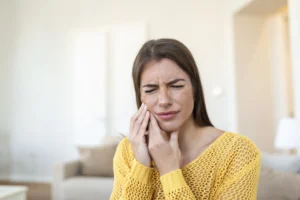
Have you ever wondered, “Why does my jaw pop when I chew food?” Many people experience this puzzling phenomenon, which can range from merely annoying to downright concerning. One of the main reasons behind jaw popping is temporomandibular joint (TMJ) disorder. Which affects the joint that joins your lower jaw to your skull. Other common triggers include teeth grinding, clenching, and even stress, which can all put extra strain on the jaw.
The encouraging news is that simple lifestyle changes can often ease the discomfort. And when home care isn’t enough, professional TMJ treatment options are also available. In this blog, we will discuss the causes of jaw popping while chewing, explore effective relief tips, and discuss TMJ treatment options available right here in Lake Elmo.
What are the Common Causes of Jaw Popping?
At Valley Ridge Dental, we often hear patients asking, “Why does my jaw keep popping when I chew?” As per our specialists, here are some of the most common causes:
Misaligned Teeth: If your teeth do not align properly, they can put strain on your jaw muscles and cause them to pop when opening or closing your mouth.
TMJ Disorders and Arthritis: The temporomandibular joint (TMJ) connects your jaw to your skull. Conditions like arthritis or TMJ disorders can inflame this joint and lead to discomfort and popping.
Stress: Clenching or grinding of teeth due to stress can put pressure on the TMJ and may cause it to click or pop.
Injury: A blow to the jaw or a whiplash injury can affect the TMJ, leading to inflammation, strain, or popping sounds.
Degenerative Disc Disease: This condition affects the discs that cushion the bones in your spine, which can also alter the alignment of your jaw joints, sometimes leading to popping.
Lifestyle Habits: Repeated actions like biting nails, chewing gum excessively, or eating very hard foods can strain your jaw and contribute to popping.

3 Tips to Relieve Jaw Popping Discomfort at Home
The following are the tips that you can follow to get relief from discomfort due to jaw popping:
- Apply Ice Packs: If you notice swelling or pain in your jaw due to popping, applying an ice pack for 15-20 minutes every few hours can help reduce inflammation and provide relief.
- Practice Jaw Exercises: Gentle exercises like opening and closing your mouth slowly or moving your lower jaw from side to side can help loosen up tight muscles and improve mobility in the TMJ.
- Avoid Hard Foods: Biting on hard foods like ice or tough meats can aggravate symptoms of jaw popping. Stick to softer foods like soups or smoothies until you feel better.
If, even after conservative (at-home) management, jaw popping persists and causes significant discomfort, and you find yourself wondering, “Why does my jaw pop when I chew?”, it is suggested to seek professional treatment.
Possible Treatments for Persistent Jaw Popping
Some possible treatments for persistent jaw popping include:
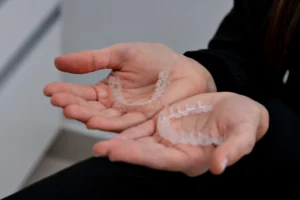
Mouth Guards: If grinding or clenching your teeth is the cause of your jaw popping, a custom-made mouth guard can help prevent this behavior and reduce strain on the TMJ.
Physical Therapy: A physical therapist can suggest exercises and stretches specifically designed to improve jaw mobility and relieve discomfort.
Medications: In some cases, over-the-counter pain relievers or muscle relaxants prescribed by a doctor may be necessary to manage pain associated with jaw popping.
Medical and Advanced Treatments: For persistent cases, your doctor may suggest treatments such as corrective dental procedures, ultrasounds, trigger point injections, radio wave therapy, or transcutaneous electrical nerve stimulation (TENS).
Surgery: Surgery is usually considered only when other approaches don’t work. Options include:
- Arthrocentesis: Removing fluid from the joint to ease pressure.
- Arthroscopy: Using small instruments to repair the joint.
- Open-Joint Surgery: Repairing or replacing the joint if needed.

Conclusion
Jaw popping when chewing can be a nuisance and even lead to discomfort or pain. If you’ve been asking yourself, “Why does my jaw pop when I chew?”, it’s important not to overlook the symptoms and seek professional help from the best dentist in lake ridge.
At Valley Ridge Dental, we offer personalized treatment plans tailored to each patient’s specific needs, from conservative approaches such as relaxation techniques and bite adjustments to more advanced treatments like TMJ therapy.
Don’t let your jaw-popping symptoms hold you back from enjoying your favorite foods. Book an appointment with us today to get relief from jaw clicks.
Contact us: (651) 439-0322
Visit us: 12425 55th St N, Suite B, Lake Elmo, MN 55042
FAQs
Not always. A popping sound in the jaw can sometimes happen if the joint moves slightly out of alignment, but it doesn’t always mean you have TMJ disorder. But if it comes with pain, stiffness, or headaches, it’s worth checking in with your dentist or doctor.
Yes, for many people it can. Jaw popping often improves once the muscles relax or if you make small changes, like avoiding gum or clenching your teeth. Sometimes it’s just a temporary irritation of the joint and goes away without any treatment.
It’s best to stay away from hard, chewy, or crunchy foods that make your jaw work harder. Things like gum, chewy sweets, nuts, raw carrots, or tough meat can put extra strain on your joints.
Absolutely. Simple habits like avoiding teeth grinding, practicing good posture, managing stress, and not chewing on pens or nails can all reduce strain on the jaw. Gentle jaw stretches and relaxation techniques may also help.
If lifestyle changes don’t help, your dentist or doctor may suggest treatments like custom-made mouthguards, physical therapy, medications for pain and inflammation, or even Botox injections in some cases. Surgery is very rare and usually only needed for severe joint problems.